WooCommerce vs Shopify for South African Online Stores
Web design & development, Digital Lime Green
A practical comparison of WooCommerce and Shopify for South African stores, covering costs, payments, ease of use, SEO, plugins and apps, and which to choose.
WooCommerce and Shopify are the two platforms we're asked about most when South African businesses want to sell online. Both can run a successful store. The right choice depends on your budget, how much control you want and who will manage the store day to day.
The short answer
- Choose Shopify if you want a store that's quick to launch, with hosting, security and checkout handled for you, and you're happy to pay a monthly subscription.
- Choose WooCommerce if you want full control, already have a WordPress website, want to avoid platform transaction fees, or need custom functionality.
What they are
WooCommerce is a free e-commerce plugin for WordPress. You host it yourself, which means you control everything, but you're also responsible for hosting, updates and security. Shopify is a hosted platform. You pay a monthly fee and Shopify provides the hosting, security, checkout and core updates.
Costs
- WooCommerce: the plugin is free. You pay for hosting, a domain, any premium plugins or themes, and maintenance.
- Shopify: you pay a monthly plan fee, plus paid apps and themes if you use them. Shopify may also charge a transaction fee on top of your payment provider's fees when you use a third-party gateway, depending on your plan. Plans are priced in US dollars, so the rand cost changes with the exchange rate.
Compare the total yearly cost, not just the monthly headline price.
Payments
Both platforms work with South African payment providers. WooCommerce has plugins for most local gateways. On Shopify, check which local providers currently integrate with it. See our guide to payment gateways in South Africa.
Ease of use
Shopify is generally easier for non-technical store owners because there's less to maintain. WooCommerce uses the familiar WordPress dashboard, and once it's set up it's easy to add products and manage orders, but someone needs to look after updates and hosting. Our website maintenance plans cover that.
Design and flexibility
- WooCommerce can be customised almost without limit, because you control the code and the server.
- Shopify themes and apps cover most needs, and custom development is possible within Shopify's framework.
SEO and content
Both can rank well when set up properly. WooCommerce benefits from WordPress's content tools, which helps if you plan to publish guides and articles alongside your products. Shopify handles technical basics such as sitemaps and SSL automatically. On either platform, unique product descriptions, clear categories and fast pages matter most.
Plugins and apps
WooCommerce has a large range of extensions for shipping, subscriptions, bookings, memberships and more. Shopify's app store offers similar features, usually as monthly subscriptions. Add only what you need: every extra plugin or app adds cost and can slow your store down.
Our recommendation
For most small South African retailers who want a low-maintenance store, Shopify is a good starting point. For businesses that want maximum control, have a content-heavy site, or need custom features, WooCommerce is usually the better long-term choice. We build on both. See e-commerce website design and Shopify website design, or contact us and we'll recommend the right platform for your products.
How we can help
Related guides
All articles E-commerce
How to Set Up a Facebook or Instagram Shop
Everything you need to set up a Facebook or Instagram shop for your business, from requirements to connecting your product catalogue.
Read the guide E-commerce
Payment Gateways in South Africa: Choosing One for Your Online Store
How payment gateways work, the local options South African online stores use, and what to compare before you choose one for WooCommerce or Shopify.
Read the guide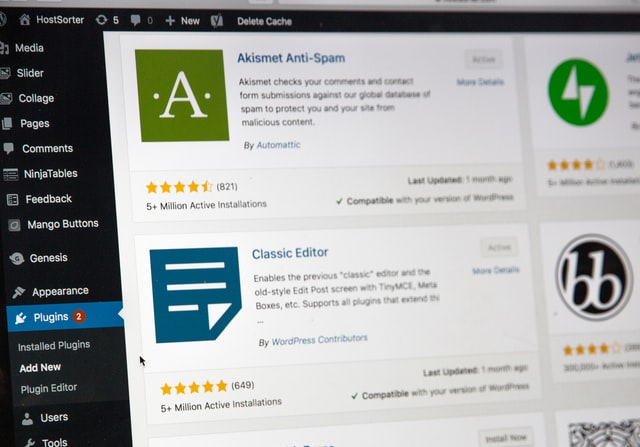 Hosting and WordPress
Essential WordPress Plugins for Business Websites (and How to Keep Them Secure)
The types of WordPress plugins most business websites need, the ones to avoid, and how to keep plugins and your WordPress admin secure.
Read the guide